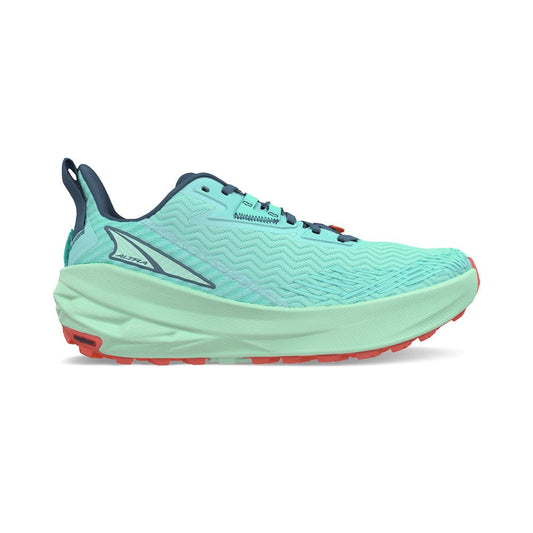
How to Choose Trail Running Shoes
Trail running shoes are built for uneven ground, loose surfaces, and changing conditions. The best pair for you depends on the terrain you run most often, how secure you want the shoe to feel, and how much cushioning you prefer. Use this guide to narrow the options without relying on a one-size-fits-all “best shoe” ranking.
What should I look for in trail running shoes?
-
Traction for your usual terrain: smoother outsoles can work well on packed dirt and mixed road-to-trail routes, while deeper, more widely spaced tread is generally better suited to mud and loose ground.
-
A secure fit: your heel and midfoot should feel held in place when the trail tilts or changes direction, but your toes should not feel crowded.
-
The right amount of cushioning: more cushioning can feel comfortable over longer outings; a lower, firmer feel may appeal to runners who want more ground awareness.
-
Underfoot and toe protection: rocky or root-filled trails may call for more structure and protection than smooth park paths.
-
Weather readiness: breathable shoes usually release heat and water more easily, while a waterproof model can be useful in cold, wet conditions. Check the individual product description because not every trail shoe is waterproof.
Which type of trail running shoe should I choose?
| Your usual run |
What to prioritize |
| Packed dirt and gravel |
Moderate traction and a comfortable, versatile ride |
| Rocky or uneven trails |
A secure fit, stable platform, and added underfoot protection |
| Muddy or loose terrain |
More aggressive, widely spaced outsole tread |
| Road-to-trail routes |
A lighter outsole that remains comfortable on pavement |
| Long trail days |
Enough cushioning and toe room for your feet as they move and swell |
Explore Related Running and Outdoor Footwear
Compare this collection with running shoes for pavement and daily training, browse wide shoes if you need more room across the foot, or see waterproof shoes and boots for wet conditions. You can also shop trail-focused styles from adidas running, Altra, HOKA, Brooks, ASICS, and Saucony.
Trail Running Shoe Questions
Can I wear trail running shoes on pavement?
Yes, especially for short paved sections. However, aggressive trail tread can feel less smooth on pavement and may wear faster. A road-to-trail model is usually a better match when most of your route is paved.
Should trail running shoes fit differently from road running shoes?
They should feel secure through the heel and midfoot so your foot does not slide on uneven ground. Your toes still need enough room to move, particularly when running downhill.
Are trail running shoes good for hiking?
They can work well for hikers who prefer lightweight, flexible footwear. More structured hiking shoes or boots may be a better fit for heavy packs, rough terrain, or situations where you want additional ankle coverage.
Do I need waterproof trail running shoes?
Not always. Waterproof footwear can help in cold rain, shallow snow, and consistently wet conditions. Breathable, quick-draining footwear may be more comfortable in warm weather or when water is likely to enter over the top of the shoe.